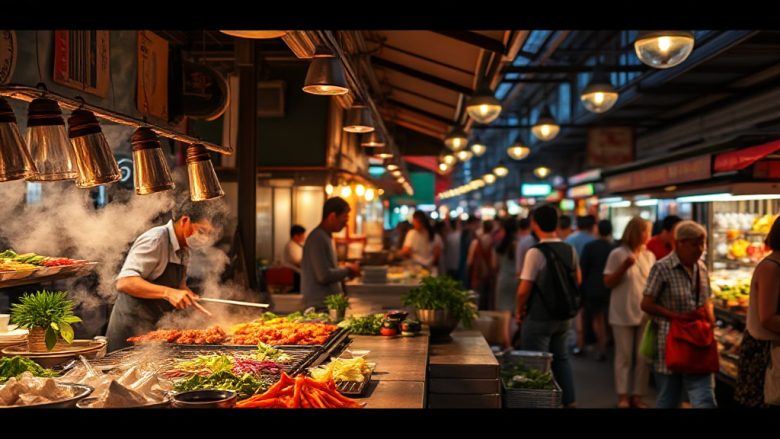
Street food is one of the best ways to eat. It’s cheap, fast, and often more alive than anything a hotel restaurant can offer. But if you’re new to it, the whole scene can feel risky. You don’t know what’s safe, what to order, or whether that unmarked stall is a gem or a mistake. So here’s the one rule that matters most: eat where the locals eat, and eat where the turnover is high. If a stall is busy with people who clearly know the neighborhood, the food is moving fast, which means it’s fresh. That single habit solves most of the fear.
This beginner guide to street food isn’t about avoiding risk entirely. It’s about knowing which risks are worth taking and which ones you can skip. You’ll learn what to look for, how to order without stress, what to avoid, and a few global classics worth trying first. By the end, you’ll be able to walk up to almost any stall and make a good decision in under a minute.
What to Look For Before You Order
Before you think about the menu, look at the stall itself. A few visual cues tell you almost everything you need to know. First, watch the cooking. Is the food being cooked to order, or is it sitting out in a tray? Freshly cooked food is almost always safer and tastes better. If something has been sitting under a heat lamp for hours, walk on.
Second, check the queue. A line of locals is the best review you’ll ever get. It means the food is good, the prices are fair, and the ingredients are turning over quickly. A quiet stall in a busy area is a warning sign. A quiet stall in a quiet area might just be a slow day, but you have no way to know.
Third, look at the vendor’s hands. Are they using tongs, gloves, or clean utensils? Are they handling money and food with the same hand? That’s a red flag. The best vendors have a rhythm: they cook, they serve, they wipe down, they repeat. You don’t need a spotless kitchen. You need a vendor who clearly cares about the process.
Fourth, check the water. If the stall is using tap water to wash dishes or make drinks, and you’re in a place where tap water isn’t safe for you, be careful. Ice is a common culprit. If you’re unsure, ask for drinks without ice, or stick to sealed bottles. It’s a small adjustment that saves a lot of trouble.
Finally, trust your gut. If something feels off, it probably is. You don’t need a reason. You can just keep walking. There’s always another stall.
How to Order Without Getting It Wrong
Ordering is where most beginners freeze. The menu might be in a language you don’t read, the vendor might be moving fast, and there might be a crowd behind you. Here’s how to handle it.
Start by watching someone else order. See what they point at, what they say, and how much they pay. That gives you a template. If you can, point at what you want and hold up fingers for quantity. Most vendors are used to this and will help you out. A smile and a nod go a long way.
Learn a few words. You don’t need to be fluent. “Hello,” “thank you,” “this one,” and “how much?” cover most situations. In many places, vendors appreciate the effort even if you butcher the pronunciation. It turns a transaction into a small human moment.
Carry small bills and coins. Street food is cheap, and vendors often can’t break large notes. Having the right change speeds things up and avoids awkward moments. Keep your money separate from your food hand. If you’re paying with a card, you’re probably at the wrong stall.
Ask about spice if you’re not sure. In many cultures, “not spicy” still means a little spicy. If you’re sensitive, say so clearly. If you love heat, say that too. Vendors usually adjust if they can.
Don’t be afraid to ask what’s in it. Most vendors are happy to explain. If there’s an ingredient you can’t eat, point at it and shake your head. They’ll understand. If they don’t, you can always choose something else.
One more thing: eat it the way it’s meant to be eaten. If it comes on a stick, eat it off the stick. If it’s wrapped in paper, use the paper. If it’s served in a bowl, sit down and enjoy it. Trying to eat street food with a knife and fork is like trying to drink soup with a fork. You’ll just make a mess.
What to Avoid and What to Try First
Not everything is worth your stomach. Here’s what to skip, and what to seek out.
Avoid raw or undercooked foods unless you’re in a place where it’s a local specialty and you trust the vendor. Salads, cut fruit, and cold sauces can be risky if they’ve been sitting out or washed in unsafe water. If you can’t peel it, cook it, or boil it, think twice.
Avoid buffets and self-serve trays where food has been sitting for hours. The more hands that have touched the food, the higher the risk. Freshly cooked, made-to-order food is always the better bet.
Avoid drinks with ice if you’re unsure about the water source. This is a common mistake. A cold drink is refreshing, but a night of stomach trouble isn’t worth it. Stick to sealed bottles, cans, or hot drinks like tea.
Avoid the obvious tourist traps. If a stall is in a heavily touristed area, has photos of the food in multiple languages, and no locals in line, it’s probably overpriced and underwhelming. Walk a few blocks away and find where the people who live there actually eat.
Now, what should you try first? Here are a few global classics that are easy to love and hard to get wrong.
Tacos al pastor in Mexico. Marinated pork cooked on a vertical spit, served on a small tortilla with pineapple, onion, and cilantro. It’s a perfect bite. Look for a stall with a spinning spit and a crowd.
Banh mi in Vietnam. A baguette filled with meat, pickled vegetables, herbs, and chili. It’s a fusion of French and Vietnamese cooking that works on every level. The best ones come from tiny carts with a line.
Pad thai in Thailand. Rice noodles stir-fried with eggs, peanuts, bean sprouts, and tamarind. It’s sweet, sour, and savory all at once. Find a vendor who cooks it in a single wok over high heat.
Falafel in the Middle East. Deep-fried chickpea balls served in pita with salad, pickles, and tahini. It’s vegetarian, filling, and cheap. Look for a stall where the falafel is fried to order.
Arepas in Colombia or Venezuela. Cornmeal patties grilled or fried, split open, and filled with cheese, meat, or avocado. They’re warm, comforting, and easy to eat on the go.
Takoyaki in Japan. Octopus balls cooked in a special pan, topped with mayo, sauce, and bonito flakes. They’re hot, gooey, and fun. Eat them carefully—they’re hotter than they look.
These are just starting points. Every city has its own specialties, and the best way to find them is to follow your nose and the locals.
Frequently Asked Questions
Is street food safe for beginners?
Yes, if you choose wisely. The key is to eat where the locals eat and where the turnover is high. Freshly cooked food from a busy stall is usually safer than a quiet restaurant with a buffet. Start with cooked foods and avoid raw items until you’re more comfortable.
How do I know if a street food stall is clean?
Look for a vendor who uses clean utensils, handles food and money separately, and keeps the area tidy. A busy stall is a good sign because the food doesn’t sit around. If something looks off, trust your instincts and move on.
What should I do if I have a food allergy?
Learn how to say your allergy in the local language, or carry a card that explains it. Point at ingredients you can’t eat and shake your head. Most vendors will understand. If you’re not confident, choose a different stall or a simpler dish.
Should I tip street food vendors?
Tipping isn’t expected in most street food cultures, but it’s rarely refused. Rounding up to the nearest small bill is a nice gesture. The most important thing is to pay the asked price and say thank you.
Street food is one of the great joys of travel. It’s not just about eating—it’s about connecting with a place and its people. With these basics, you can explore with confidence and come back with stories, not just a full stomach.